Visual Storytelling
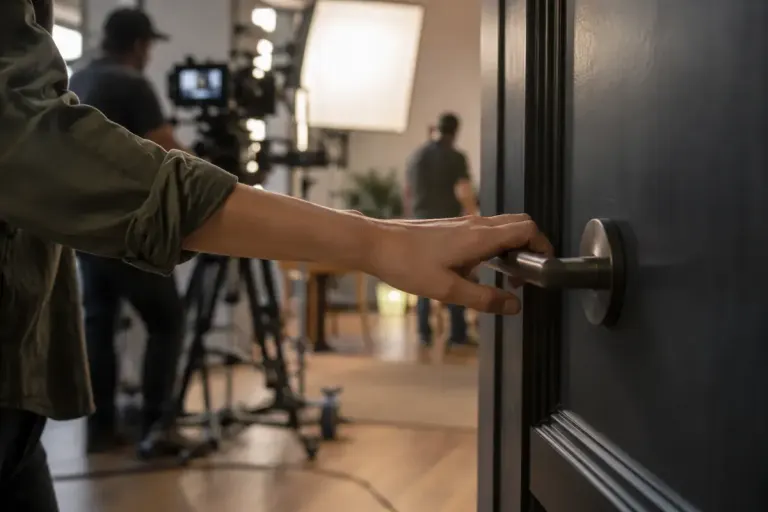
A Match on Action Lets One Movement Cross Two Shots
Watch how a single movement can bridge an edit, and test match-on-action continuity with a simple door-opening example.

For the scenes that stay with you. Explore the images, sounds and small choices that make cinema worth looking at again.
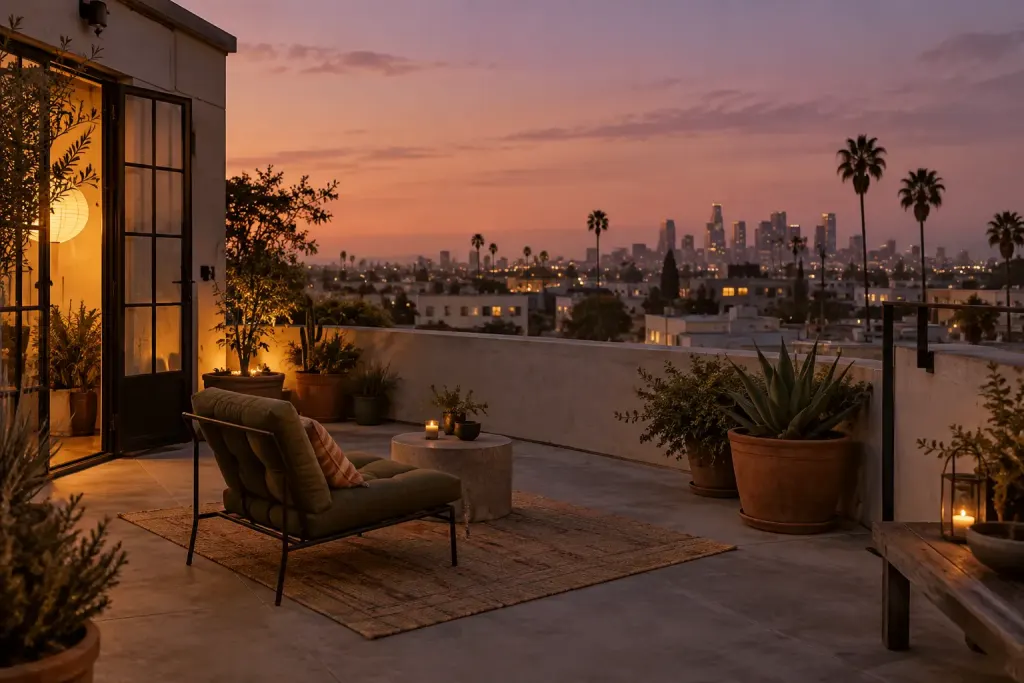
Look beyond the scenery to see how a film's locations, doorways, distances and familiar spaces can shape the way a story feels.
Read the guide →Watch how a single movement can bridge an edit, and test match-on-action continuity with a simple door-opening example.
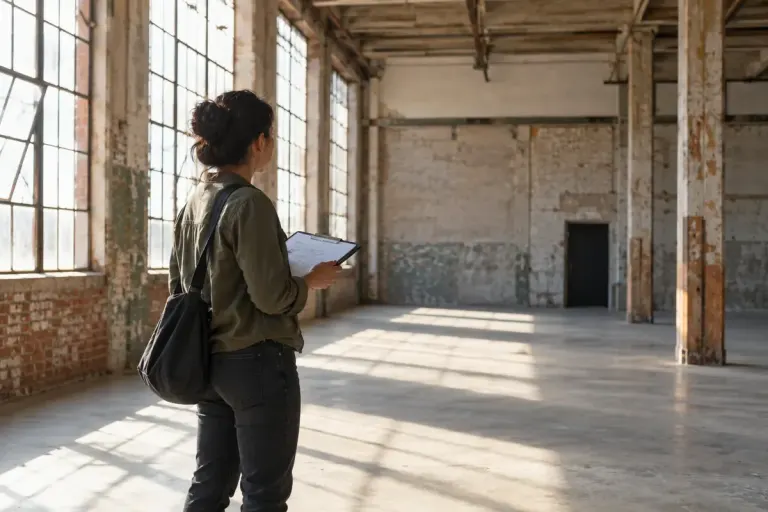
Follow location and production-design credits through the different practical questions behind a film’s setting.
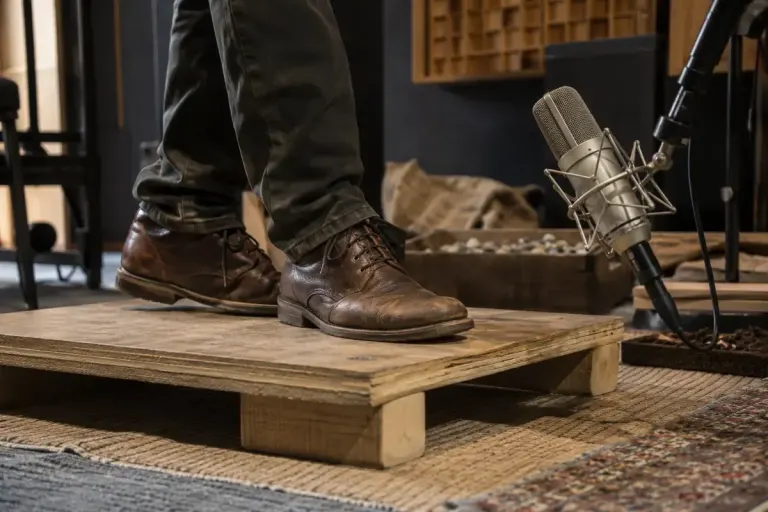
Explore how Foley footsteps and handling sounds shape a film scene, with a simple listening exercise that separates observation from production guesses.
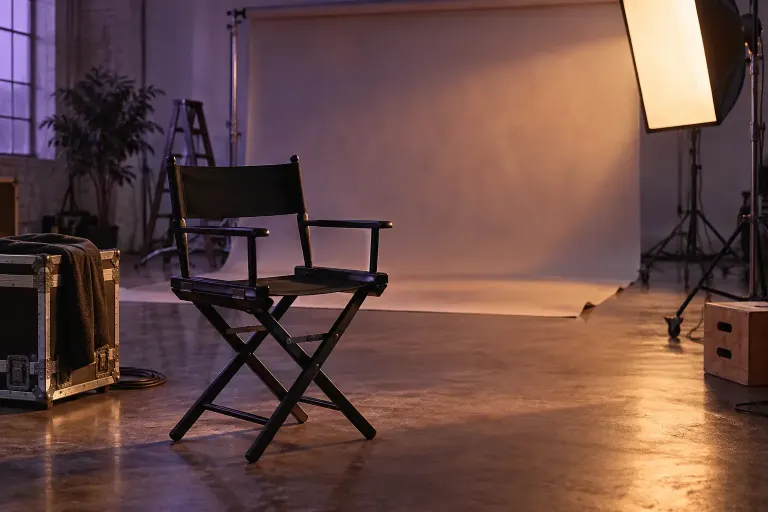
A trailer gathers moments to invite an audience; an opening scene begins an experience that unfolds in sequence. Comparing them can clarify expectations…
Someone offers a pen; the other person returns it without signing. The object has barely moved, yet a film can make that return carry the outcome of a…
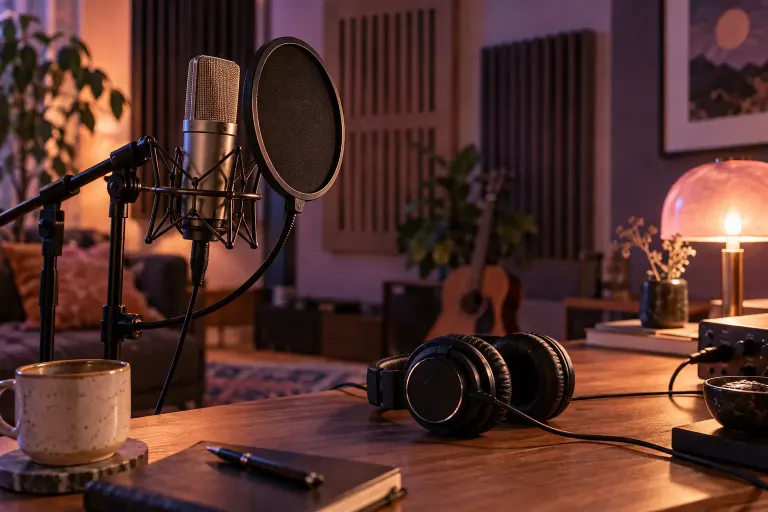
A fan, refrigerator or distant engine may disappear from your attention while dialogue becomes absorbing. When conversation stops, the background sound can…