
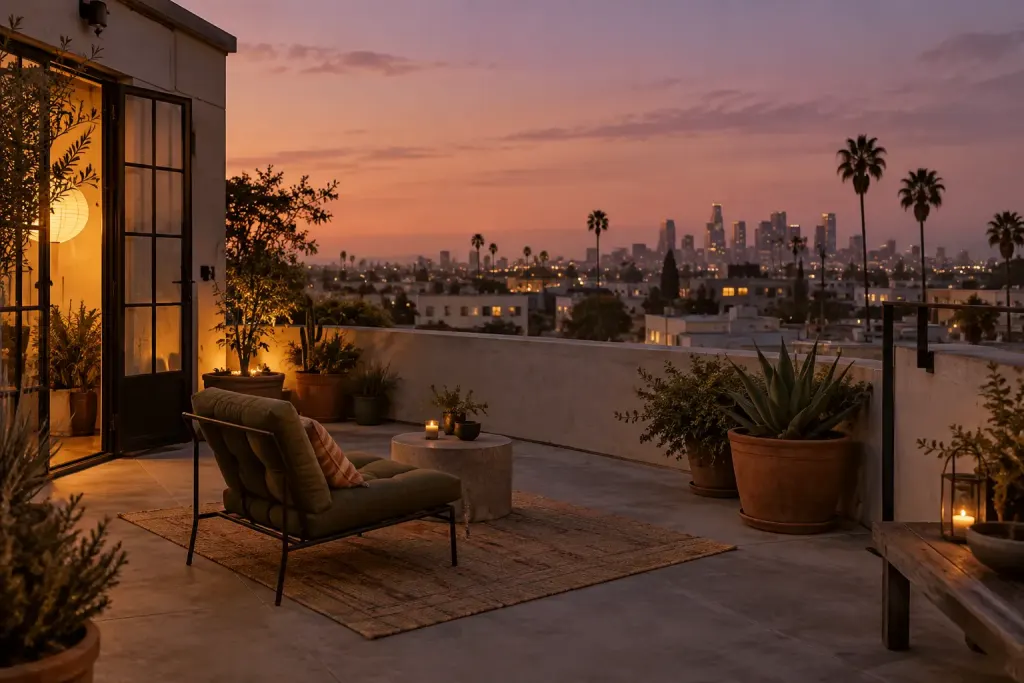
An empty part of a frame can be surprisingly busy. You may expect someone to enter it, remember a person who just left, or simply notice how isolated the remaining character looks. Choose one scene and watch the unused space as carefully as the faces.
Describe the arrangement first
Pause at a clear moment. Where is the character, and what occupies the rest of the image? Note an empty chair, a stretch of wall, or a visible corridor. Avoid assigning a meaning until you have described the arrangement accurately.
Continue the scene. Does anyone enter that area? Does the camera move away before your expectation is answered? A space that seems important in a still image may function differently over several seconds.
Check the surrounding shots
Compare the frame with the shot immediately before or after it. Perhaps the empty area was occupied earlier, or perhaps the composition remains similar throughout the conversation. Either observation gives your interpretation a firmer basis.
Finish with a modest claim: “The open doorway kept drawing my attention while the speaker stayed seated.” That describes your experience and its visible cause. You do not need to claim that the director intended a particular emotion to make a useful observation about the scene.