
Sound & Score
When the Sound and the Image Tell Different Stories
Watch how a cheerful soundtrack or an ordinary conversation can pull against the image, and describe the tension without guessing the filmmaker’s intentions.

Watch how a cheerful soundtrack or an ordinary conversation can pull against the image, and describe the tension without guessing the filmmaker’s intentions.

Write a useful spoiler-free film note by describing a formal choice and its effect, while keeping plot revelations and unsupported praise out of the summary.
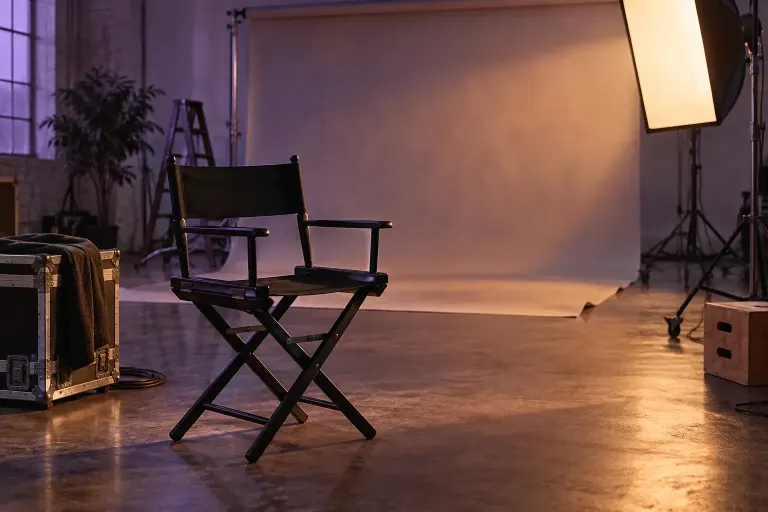
Track a difference between what viewers know and what a character knows, then examine how that gap shapes expectation across a short sequence.
Use a second viewing to answer one question about a scene while preserving the pleasure of the first encounter and avoiding an endless checklist.
Compare a wider view with a closer one to see which relationships remain visible and which details take over, without assuming closeness always means intimacy.
Revisit a film’s opening minute through image, sound and unanswered questions, without judging the entire work by a stopwatch or an opening hook.
Track one recurring object through a film and compare its owner, placement and use before deciding what its repetition contributes to the story.
Follow the entrance and exit of one musical cue to hear how a scene changes, keeping your response separate from claims about the composer’s intention.